


Introduction
The contract stage is where clarity matters most. Buyers are close to a decision, but uncertainty, delays, or confusion can quickly erode confidence. In this lesson, you’ll learn how digital contracts can become a confidence-building experience rather than a final obstacle, helping deals progress smoothly to signature.
Why digital contracts often break down
Digital contracts lose their impact when the experience feels fragmented. Buyers often encounter scattered feedback across email threads, multiple versions with unclear differences, or long pauses while waiting for updates.
When there’s no visibility into what’s happening or what comes next, momentum slows and doubt creeps in – right when both sides want certainty.
What buyers need to feel confident
Confident buyers aren’t looking for complexity. They want a contract process that feels clear, predictable, and professional.
This usually means:
- One place to review the contract and track changes
- Transparency into comments, updates, and progress
- Timely signals when something happens
- Confidence that signing is secure and traceable
When these elements are present, buyers are more decisive, more collaborative, and more likely to move forward without hesitation.
Collaboration inside the document
Contracts become easier to understand when conversations stay close to the content itself. Instead of switching between tools or inboxes, buyers and sellers can discuss terms directly in context, leave comments next to relevant sections, and negotiate without losing track of changes.
This approach reduces misunderstandings and removes the version chaos that often slows deals down.
In GetAccept, this happens directly inside the contract itself, where comments stay tied to specific sections and all participants see updates in real time.

Keeping momentum with notifications and engagement insights
Momentum depends on awareness. Notifications help both sides stay aligned by signaling when comments are added, changes are made, or the document is viewed.
Engagement insights add another layer of clarity. By seeing how buyers interact with the contract – what they review, revisit, or pause on – sellers can follow up at the right moment with relevant support. Used well, this creates helpful, well-timed interactions rather than pressure.
For example, GetAccept notifies you when a buyer views the contract or leaves a comment, and shows which sections they spend time on. This helps you follow up when there’s real buyer intent, not guesswork.
Reducing version confusion
One of the simplest ways to increase buyer confidence is maintaining a single source of truth.
When a contract lives behind one shared digital link:
- Updates happen in one place
- Everyone always sees the latest version
- There’s no confusion over attachments or file names
Buyers stay oriented, and the process feels controlled and professional.
In GetAccept, updates can be made to a sent contract without changing the link, so buyers never have to wonder if they’re looking at the right version.
Secure digital eSignature as the final step
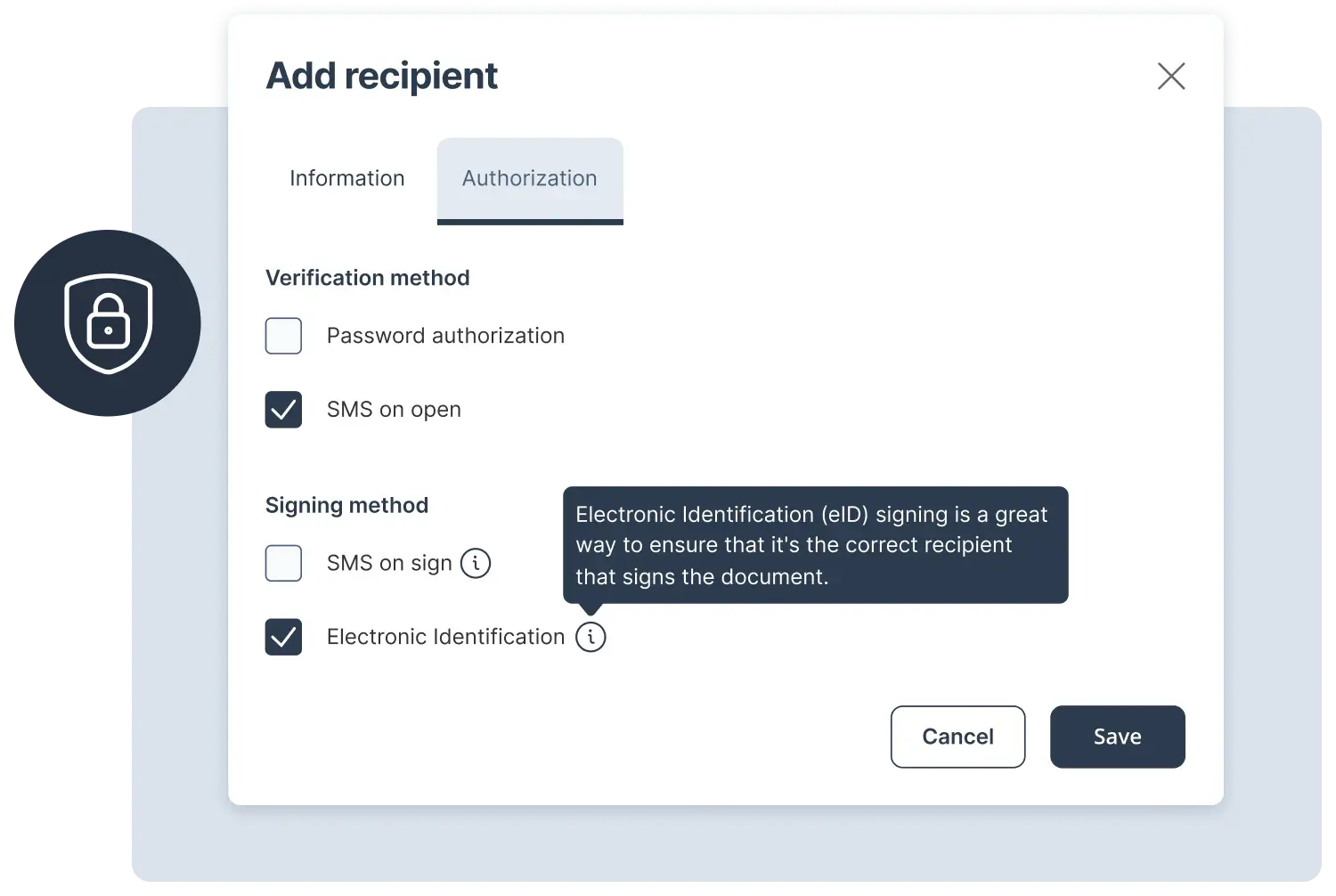
The signing experience is the final confidence checkpoint. A secure digital eSignature should feel predictable and trustworthy, offering authentication, a clear audit trail, and protection against tampering.
When signing feels safe and straightforward, buyers move from “ready to sign” to “signed” without unnecessary friction.
GetAccept’s built-in eSignature keeps the entire process in one flow, with signing activity tracked alongside comments and views. You also have the option of choosing your level of security. You can permit handwritten or typed signatures, or require identity verification via Advanced Electronic Signature (AES) or Qualified Electronic Signature (QES) methods.
Putting it together: from friction to confidence in practice
To see how this comes together, imagine T3chFlow, a fictional SaaS company reviewing how contracts were affecting their close rates. They noticed that deals often slowed during contracting because buyers weren’t sure which version was current or where to raise questions.
By shifting to a more collaborative digital contract approach using GetAccept, T3chFlow:
- Kept all discussions inside the contract itself
- Used a single shared link that always reflected the latest version
- Relied on notifications and engagement insights to stay aligned
- Finished the process with a secure digital eSignature
For buyers at NestBuy (a fictional buying company), the experience felt clearer and easier to follow. They always knew where to look, saw updates as they happened, and could sign with confidence. This example shows how reducing friction at the contract stage helps decisions happen sooner – without pushing the buyer.
Recap
By now, you should be able to:
- Identify what makes a digital contract buyer-friendly
- Understand how collaboration, visibility, and secure signing support confident decisions
- Apply practical steps to create digital contracts that maintain momentum and reduce friction