

Introduction
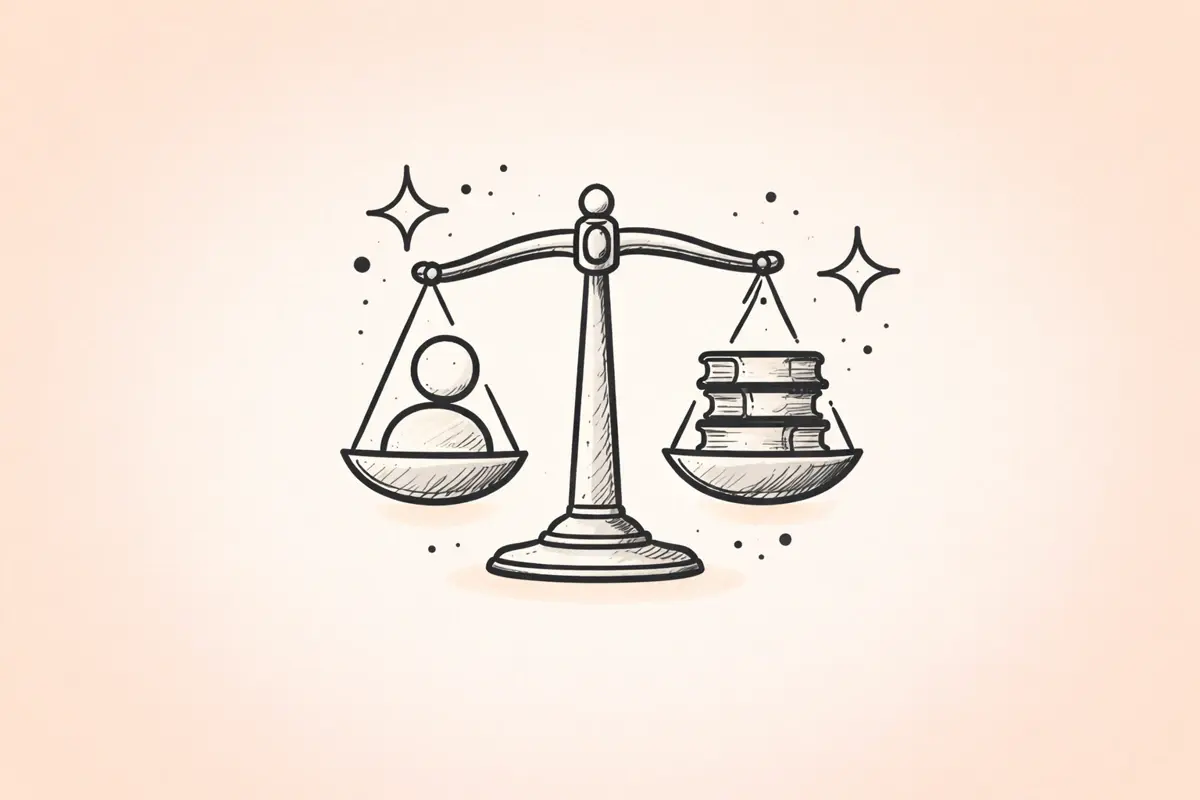
AI is everywhere in sales right now. Some buyers love it. Others are skeptical, cautious, or flat‑out allergic to it. The best teams don’t pick sides. They learn how to combine automation with human judgment to create sales experiences that feel efficient and authentic.
AI can speed up sales work, but trust still decides deals. The strongest teams know where AI adds value – and where humans must stay firmly in control.
The real problem with “AI‑first” selling
AI promises speed. Buyers want trust and understanding.
When sales teams over-automate, communication can start to feel generic or disconnected from the real conversation. Buyers may wonder:
-
Does this seller actually understand our situation?
-
Was this written for us, or generated automatically?
-
Is our information being handled carefully?
The issue isn’t AI itself. It’s using AI without judgment.
The takeaway is simple. AI should support the relationship, not replace it.
Where AI truly shines in sales
AI works best when the task is repetitive, time‑consuming, or pattern‑based.
In practice, this includes:
- Drafting first versions of proposals, summaries, or follow‑ups
- Turning meeting insight into clear, readable documentation
- Structuring content based on existing meeting notes and shared materials
- Highlighting risks, gaps, or next steps you might overlook
- Formatting content so it’s easy for stakeholders to scan
In GetAccept, AI works inside your sales environment, using deal information you’ve chosen to include – not external or public data. You stay in control of what’s shared.

Where humans must stay in charge
AI doesn’t understand intent, emotion, or politics inside a buying group. You do.
Sales reps should always own:
- Discovery conversations and objection handling
- Relationship‑building and trust repair
- Final messaging, tone, and positioning
- Decisions about what not to say or share
- Commitments related to pricing, scope, or timelines
This matters most when deals are complex or sensitive. AI can draft. Humans are accountable.
Buyer trust, security, and transparency
Not every buyer is comfortable with AI. That’s okay.
What helps build trust:
- Transparency about how content is created and reviewed
- Clear ownership of communication (“I wrote this” still matters)
- Using AI only on information already approved for sharing
In GetAccept, AI works within your controlled sales environment. Content is based on Deal Room materials you choose to include, not random external data.
Just as importantly, AI in GetAccept is built with guardrails. Content managers define the approved knowledge base and guidelines the AI can use, so outputs stay on‑brand, accurate, and compliant. Buyer data stays inside the GetAccept platform and isn’t sent to third‑party tools. That means reps can personalize confidently, without risking sensitive information.
When in doubt, default to human review. Trust is harder to rebuild than it is to protect.
Why human review always matters
AI can be fast. It can also be confidently wrong.
Human review ensures:
- Facts, pricing, and commitments are accurate
- Tone matches the buyer relationship
- Alignment with your brand voice and deal context
- Compliance with legal, security, and approval requirements
Think of AI as a junior assistant. Helpful. Fast. But not accountable. You are.
Putting it together in practice
T3chFlow uses GetAccept AI to speed up proposal creation.
After meetings with their buyer, NestBuy, they upload notes and materials to the Deal Room. AI generates a draft executive summary and business case. The AE then:
- Adjusts the language to reflect NestBuy’s priorities
- Removes assumptions that weren’t confirmed
- Adds a personal message referencing earlier conversations
The result isn’t “AI content.” It’s sales content that just happened to be created faster.
A simple review habit that scales
Before sharing AI-assisted content with a buyer, ask:
- Is every claim supported by the deal conversation or approved knowledge?
- Are responsibilities and timelines clear and accurate?
- Does this sound like me – not a template?
- Am I sharing only what the buyer should see right now?
This habit protects trust while still letting AI do the heavy lifting.
Recap
By now, you should be able to:
- Separate AI‑friendly tasks from human‑critical moments
- Use AI without compromising buyer trust or security
- Apply human judgment to protect quality and authenticity